TEACHING
I teach anthropology as a way of learning how to pay attention to the world and to each other.
My teaching is grounded in three commitments: connecting theory to lived worlds, centering Indigenous and community knowledge, and designing courses that are structured and transparent so students can succeed across a range of backgrounds.
Teaching Across Contexts
I have taught in large introductory courses, small field-based settings, and online environments. Across these contexts, I design courses that are accessible and flexible, while maintaining clear expectations and consistent support.
Topics I Teach:
-
Courses in this area examine how environmental decisions are made, who benefits, and how governance is shaped across local and global contexts.
Environmental anthropology
Political ecology
Environmental justice
Global biodiversity, law, and policy
Indigenous governance and sovereignty
Environmental conservation and Indigenous peoples
-
Focuses on how people interact with and manage landscapes over time.
Cultural geography
Fire stewardship and cultural burning
Indigenous data sovereignty
-
Covers how students learn to do research and communicate their findings.
Ethnographic field methods
Collaborative and community-based research methods
Public-facing research communication
-
Introduces core concepts and approaches across anthropology.
Sociocultural anthropology
Linguistic anthropology
Archaeology and material culture
Students leave my courses able to:
connect theory to real-world problems
conduct research, including observation, interviewing, and analysis
communicate ideas clearly across different audiences
work across knowledge systems in ethical, accountable ways
In my classes, students learn to ask how environmental decisions are made, who benefits, who bears risk, and what alternatives are possible. We work through real cases, often drawn from my own experiences in the American Southwest and the Brazilian Amazon, where students connect concepts to issues like wildfire, water access, infrastructure, and conservation.
Field-Based Teaching
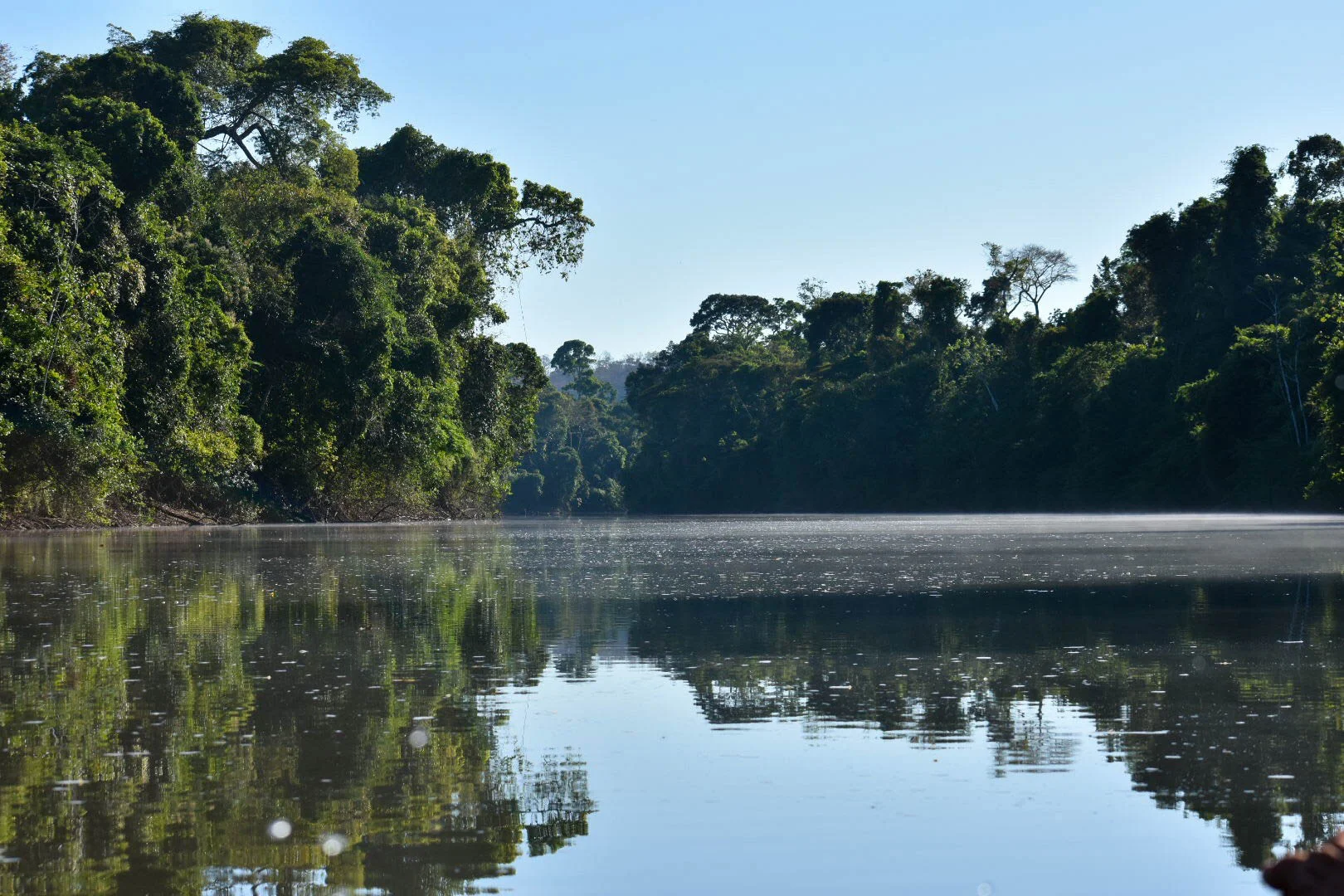
Field and study abroad teaching are central to how I teach.
Through long-term collaboration with Mẽbêngôkre-Kayapó partners, I have helped teach and co-direct a field course in Brazil where students learn in community and research settings. In these contexts, students practice research methods while also working through questions of consent, data governance, and responsibility.
Field teaching makes it clear that research is not just about collecting information. It is about relationships, accountability, and what happens after the project ends.
I bring these lessons back into classroom teaching by designing projects that are grounded, collaborative, and attentive to the responsibilities that come with research.