Brazilian Amazon Field Course
Indigenous Peoples, Conservation, and Development
Course Overview
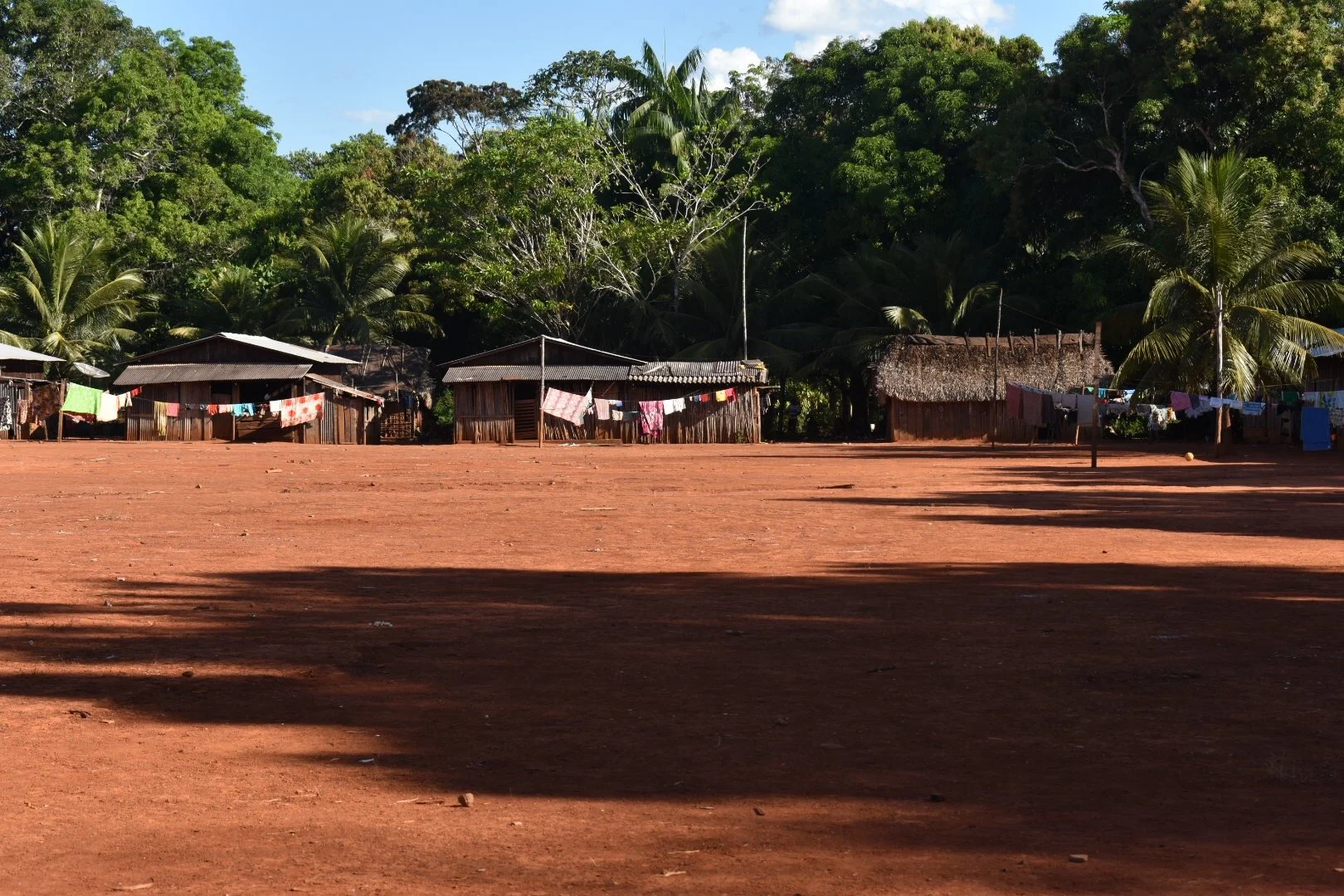
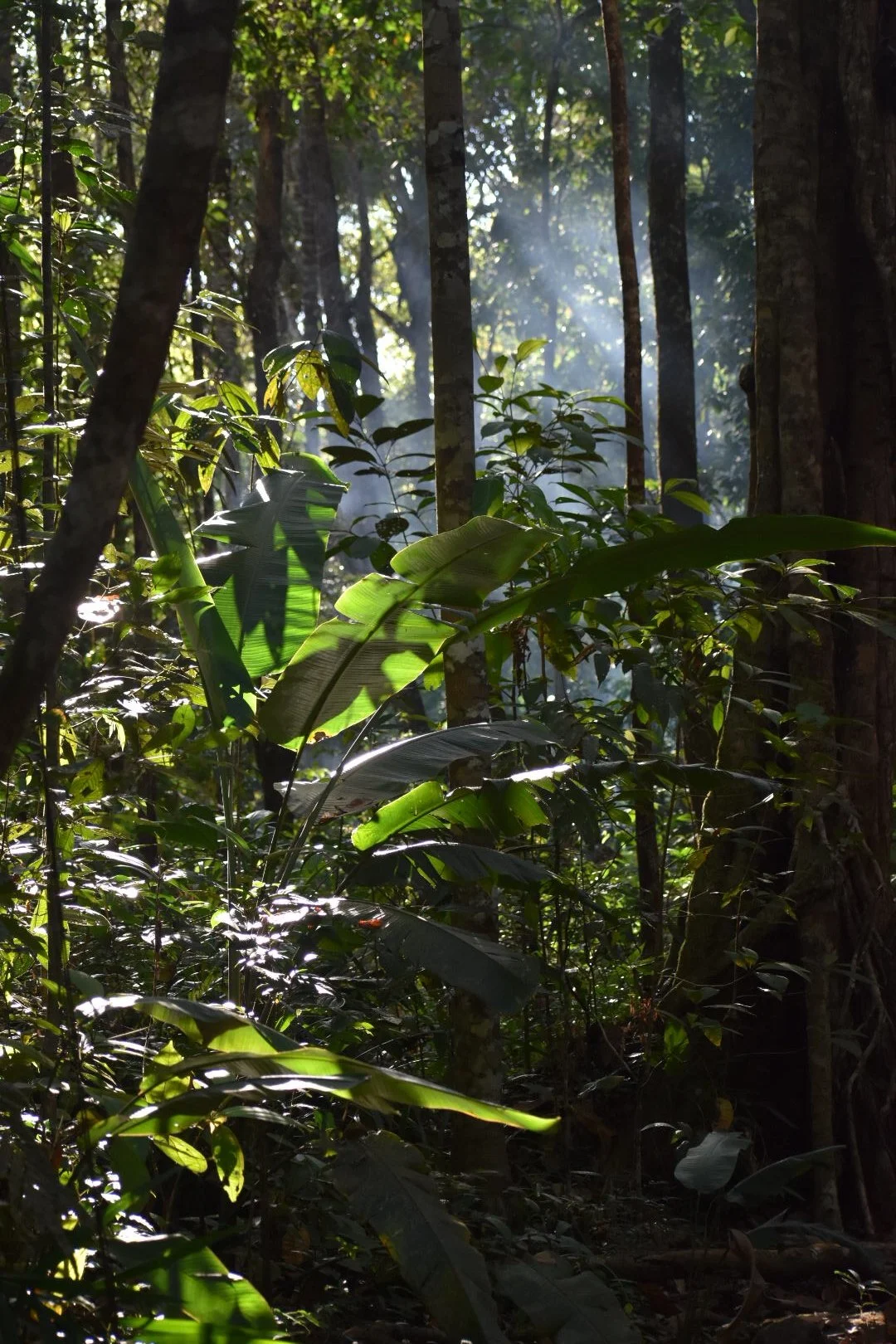
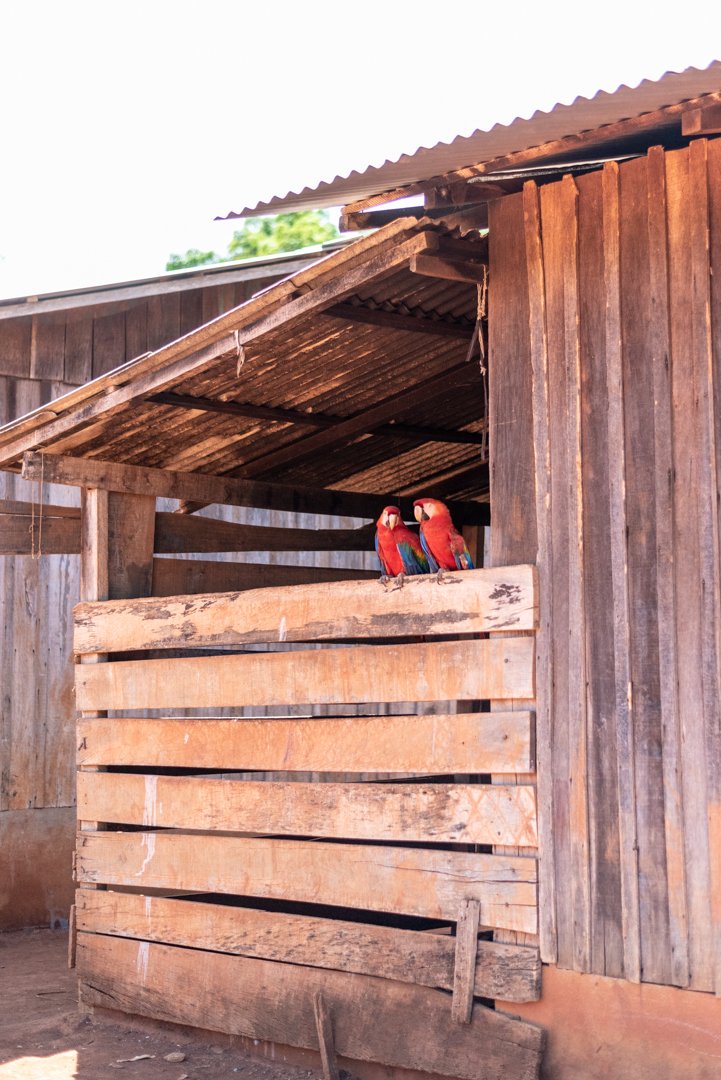
Through pre-departure preparation and field-based learning, students examine Indigenous governance, conservation, environmental change, and collaborative research in Brazil’s Amazon-Cerrado region. Course modules move across urban, rural, and community settings, but the heart of the course is learning from Mẽbêngôkre-Kayapó teachers, hosts, and partners about the relationships, responsibilities, and political conditions that shape life in A’Ukre.
This course grew out of long-term collaboration with the Mẽbêngôkre-Kayapó community of A’Ukre. Students learn from a multidisciplinary team of instructors from A’Ukre, Brazil, and the United States while practicing research methods in settings that require attention to ethics, consent, accountability, and place.
How Students Learn
Students learn through seminar discussion, daily field activities, evening debriefs, field notebooks, reflection writing, and collaborative projects. Assignments ask students to connect course readings with what they are learning from Kayapó teachers, community partners, landscapes, and institutions.
Student work has included field notebooks, reflection papers, object ethnographies, StoryMap-based projects, and shared media archives developed with attention to community access and accountability.
❋ Six-credit immersive field courseStudents prepare through pre-departure orientations before traveling to Brazil.
❋ Field-based methodsStudents practice observation, fieldnote writing, visual and digital methods, collaborative ethnography, and guided reflection.
❋ Multiple learning settingsModules move across Belém, Tucumã, A’Ukre, and an Indigenous-managed tropical biology research station.
❋ Community-centered learningThe course emphasizes Indigenous self-determination, environmental governance, conservation politics, and accountable research practice.
My Role
My role is to help prepare students, facilitate reflection, coordinate logistics, and support ethical research practice before, during, and after the field course. The course is grounded in long-term collaboration with A’Ukre, and students are asked to approach field learning as guests, with attention to listening, consent, accountability, and respect for Indigenous authority.